
CBD flowers: proven benefits for anxiety, sleep, and pain
Finding an effective natural alternative for anxiety, insomnia, or chronic pain is not easy. CBD flowers are attracting growing interest in Europe, and the figures speak for themselves: 79% of CBD users in Germany report relief from anxiety or insomnia. But behind this enthusiasm, what real evidence exists? This article reviews the documented benefits of CBD flowers, their limitations, and the precautions to know before getting started.
Table of contents
- How do CBD flowers act in the body?
- CBD flowers for anxiety: results and effectiveness
- CBD flowers and sleep: what are the real benefits?
- CBD flowers and chronic pain: what results?
- Summary comparison: benefits and limitations of CBD flowers
- Precautions, risks and usage recommendations
- Where can you find quality CBD flowers?
- Frequently asked questions about CBD flowers
Key points
| Point | Details |
|---|---|
| Anxiety relief | CBD flowers reduce anxiety in nearly 8 out of 10 users. |
| Better sleep | They provide relaxation that promotes falling asleep and a more restful night. |
| Pain reduction | Up to 86% of chronic users experience less pain thanks to CBD. |
| Relative safety | Limited side effects and rare risks of dependence observed at moderate doses. |
| Limitations of the evidence | The scientific data are still incomplete; medical consultation is recommended. |
How do CBD flowers act in the body?
To understand why CBD flowers may affect anxiety, pain, and sleep, you first need to know about the endocannabinoid system (ECS). This network of receptors and molecules found throughout the body regulates essential functions such as mood, pain perception, and the sleep-wake cycle. CBD interacts with this system indirectly and selectively.
Unlike THC, CBD does not bind directly to CB1 and CB2 receptors. It modulates several receptors such as 5-HT1A (linked to serotonin and anxiety) and TRPV1 (involved in pain), and inhibits the FAAH and MAGL enzymes that break down natural endocannabinoids. This prolongs their beneficial action in the body. To learn more about the real impact on pain and anxiety, understanding how the ECS works is useful.
CBD flowers have an additional advantage over isolated extracts: the entourage effect. Terpenes, flavonoids, and minor cannabinoids act synergistically, enhancing the effects of CBD. Here are the main biological targets identified in an overview of CBD targets:
| Receptor / enzyme | Primary role | Expected effect |
|---|---|---|
| 5-HT1A (serotonin) | Mood regulation | Anxiety reduction |
| TRPV1 | Pain perception | Analgesic effect |
| CB1 / CB2 (indirect) | Endocannabinoid system | Relaxation, anti-inflammatory effect |
| FAAH / MAGL (inhibition) | Breakdown of endocannabinoids | Prolongation of natural effects |
CBD flowers for anxiety: results and effectiveness
With this physiological foundation in place, let’s explore the first major practical benefit: anxiety management. CBD primarily acts through the 5-HT1A receptor, the same one targeted by certain antidepressants. This action on serotonin explains why many users feel rapid relief from stress or social nervousness.
The empirical data are encouraging. According to a survey conducted in Germany, 79% of users reported a reduction in anxiety and negative affect after consuming CBD. Clinical studies also confirm a measurable anxiolytic effect, particularly in acute stress situations. To learn more about CBD and mental health, detailed resources are available. A study on CBD and anxiety published on PubMed Central confirms these trends.
Here are the situations in which CBD flowers are most commonly used for anxiety:
- Social stress and stage fright before speaking in public
- Chronic nervousness or overthinking
- Mild to moderate generalized anxiety
- Managing daily stress spikes
Pro tip: Start with a low effective dose for anxiety and increase it gradually. The effect varies depending on each person’s profile, and a dose that is too high may paradoxically increase alertness.
CBD flowers and sleep: what are the real benefits?
After anxiety, sleep is the other major reason people turn to CBD. CBD flowers primarily affect sleep by reducing the anxiety that prevents falling asleep and promoting muscle relaxation via the ECS. It is not a classic sleeping pill: CBD does not cause direct sedation, but creates conditions conducive to rest.
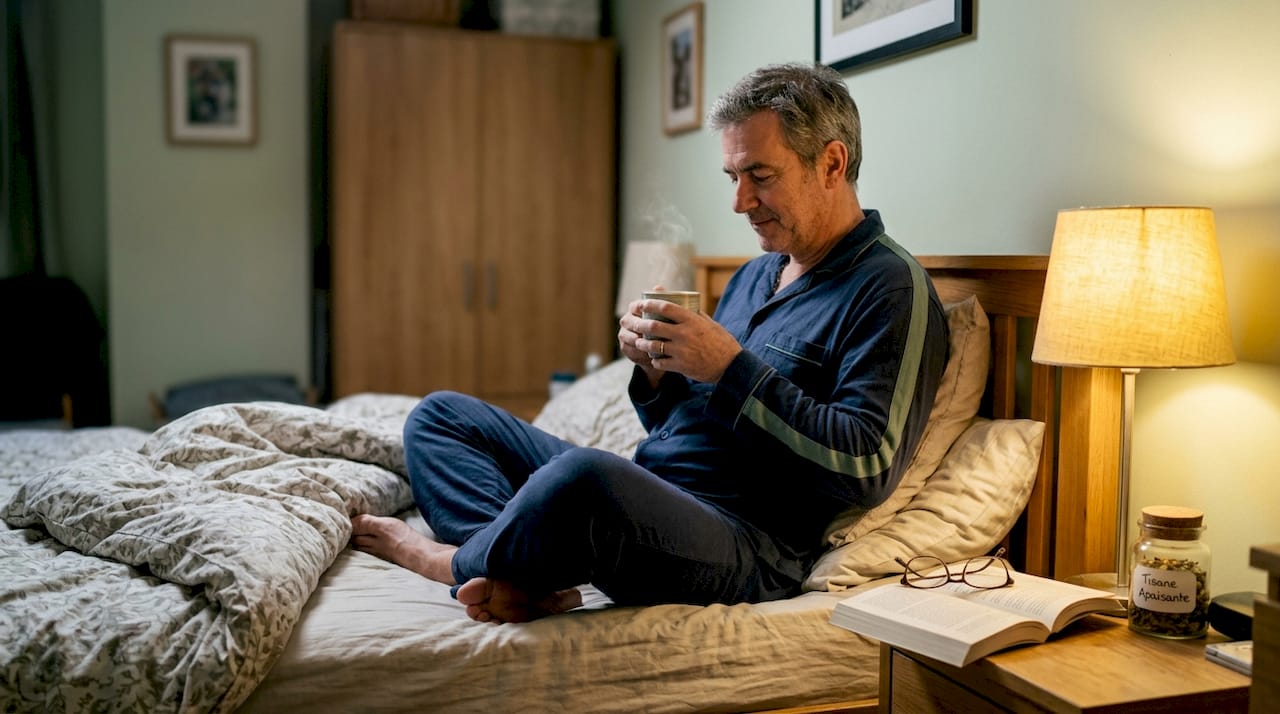
The reported results are significant. 79% of German users report improved sleep after taking CBD. Additional studies on CBD and sleep disorders show that people suffering from anxiety-related insomnia are the most likely to benefit from this effect. To incorporate CBD into your routine, discover how to add CBD to your daily routine to reduce insomnia.
The observed benefits for sleep include:
- Faster sleep onset in people with anxiety
- Fewer nighttime awakenings
- A feeling of deeper rest upon waking
- Reduced muscle tension before bedtime
One important nuance: tolerance may develop over the long term to its effect on sleep. Regular breaks are therefore recommended. To explore recognized therapeutic uses, consult the information on the therapeutic use of CBD in Europe.
CBD flowers and chronic pain: what results?
After anxiety and insomnia, managing chronic pain is often sought by CBD flower consumers. CBD interacts with CB2 receptors, which are present in high concentrations in the immune system, giving it interesting anti-inflammatory properties. It also acts on TRPV1, reducing pain sensitivity.
The figures are striking: up to 86% of users report a reduction in their chronic or muscle pain after consuming CBD. This is the highest satisfaction rate among the three main indications. Potent CBD flowers and pain are attracting growing interest in the medical community.
The types of pain most often relieved:
- Post-exercise muscle pain
- Mild to moderate joint pain
- Chronic neck and lower back tension
- Mild neuropathic pain
Pro tip: For pain, the choice of flower variety matters. Some are richer in myrcene or beta-caryophyllene, two terpenes with recognized anti-inflammatory properties. Consult our guide to choosing your CBD flower based on your specific needs.
Summary comparison: benefits and limitations of CBD flowers
To provide an overview, let’s summarize the benefits, safety, and limitations in a clear table. The benefits are well documented in user surveys, but the scientific literature remains cautious and calls for broader clinical studies. Here is a summary to help you make your decision, with information on the benefits and safety of CBD:
| Indication | Reported efficacy | Level of evidence | Precautions |
|---|---|---|---|
| Anxiety | 79% improvement | Moderate (studies + surveys) | Gradual dosing |
| Sleep | 79% improvement | Moderate (especially with anxiety) | Possible tolerance |
| Chronic pain | 86% improvement | Moderate (large surveys) | Consult a doctor |
| Drug interactions | Variable | Documented | Medical advice required |
| Liver risk | 7% at high dose | Documented (EFSA) | Monitor enzymes |
Precautions, risks and usage recommendations
Even though interest is strong, it is essential to assess the safety and actual benefits. CBD is generally well tolerated, but some side effects deserve attention. The most common are dry mouth, drowsiness, and a slight drop in blood pressure. These effects remain mild in most cases.
More serious risks are associated with intensive or prolonged use. A rise in liver enzymes is observed in 7% of high-dose cases, according to EFSA data. Tolerance may also develop to the effect on sleep, reducing effectiveness over time. INSPQ recommends caution with self-treatment, particularly for people undergoing medical treatment. For science-based recommendations, see the information on clinical efficacy and recommendations.
Key takeaway: CBD is not a medication. It may complement a wellness approach, but does not replace medical monitoring for chronic or severe conditions.
Essential precautions to follow:
- Start with low doses and increase gradually
- Avoid interactions with anticoagulant or hepatotoxic medications
- Monitor liver function in case of regular, prolonged use
- Take breaks to avoid tolerance, especially for sleep
- Consult a healthcare professional before any prolonged use
Where can you find quality CBD flowers?
You now have a clear understanding of the benefits and limitations of CBD flowers. The essential question remains: where can you buy them with confidence? Product quality directly determines the effectiveness you experience. Poorly dosed or contaminated CBD will not deliver the expected results.
At CBD Certified, each flower is selected to guarantee a THC content below 0.3%, in compliance with European regulations, along with full traceability. Deliveries are available throughout the EU, the United Kingdom, and Switzerland. If you are looking for a physical store, find the best CBD shops in Eindhoven or the best CBD shops in London for personalized advice in-store. Buying from a verified network ensures an authentic product and support tailored to your needs.
Frequently asked questions about CBD flowers
Do CBD flowers cause dependence or significant side effects?
No, CBD does not cause physical dependence. However, tolerance related to sleep may develop over time, and effects such as dry mouth or drowsiness are sometimes reported.
Are CBD flowers effective for everyone against anxiety?
Effectiveness varies from person to person, but 79% report a reduction in anxiety in user surveys. Dosage and the chosen variety play an important role in the results.
Are there liver risks associated with consuming CBD flowers?
At high doses or over the long term, a risk to the liver has been observed at high doses in approximately 7% of cases. Medical monitoring is recommended for prolonged use.
Are CBD flowers legal everywhere in Europe?
Yes, provided that the THC content is below 0.3%, in accordance with European CBD regulations. National laws may vary, however, so you are advised to check the rules in your country.
How long does it take to feel the effects of CBD flowers?
The effects generally appear between 15 and 45 minutes after inhalation. When taken orally or sublingually, the onset may take up to 60 to 90 minutes, depending on each person’s metabolism.