
Cannabidiol: definition, uses, and limitations of CBD
TL;DR:
- CBD is a non-psychoactive cannabinoid extracted from hemp, legal in Europe under certain conditions.
- Scientific evidence confirms its effectiveness only for rare epilepsy; evidence for other uses is limited.
- CBD safety requires vigilance, particularly for at-risk populations and in cases of drug interactions.
Cannabidiol (CBD) promises relaxation, restorative sleep, and relief from anxiety, but what does the science really say, and where does legend end? In recent years, CBD has become established in pharmacies, specialty shops, and conversations across Europe. Yet a significant gap separates marketing promises from the results measured by researchers. This article offers a clear, structured answer: a precise definition of cannabidiol, the state of the evidence on pain, sleep, and anxiety, documented risks, and the legal framework in Europe. No commercial pitch here—only what we truly know.
Table of Contents
- What is cannabidiol (CBD)?
- CBD, pain, insomnia, and anxiety: what the evidence says
- Safety, side effects, and usage recommendations
- Legality and regulation of cannabidiol in Europe
- Our view of cannabidiol in 2026: promises, realities, and vigilance
- Finding reliable, regulated CBD products
- Frequently asked questions about cannabidiol
Key Points
| Point | Details |
|---|---|
| Non-psychoactive CBD | Cannabidiol does not cause euphoria and is clearly distinct from THC. |
| Moderate Effectiveness | Clinical studies show a modest benefit for pain, anxiety, and sleep. |
| Safety to Monitor | CBD can cause side effects and interactions; consult a professional before use. |
| Variable Regulations | The legality of CBD depends on its THC content, with rules that are regularly changing in Europe. |
What is cannabidiol (CBD)?
Cannabidiol is one of the many cannabinoids found in the Cannabis sativa L. plant, more commonly known as hemp. What fundamentally distinguishes it from the plant’s other molecules is that it is non-psychoactive: it does not produce any euphoric effects, unlike THC (tetrahydrocannabinol), the molecule responsible for the “high” associated with recreational cannabis.
This distinction is essential. Many consumers still confuse CBD and THC or fear that one causes the same effects as the other. This is not the case. CBD and THC share the same plant origin, but their effects on the brain and body are radically different.
CBD vs. THC Comparison
| Characteristic | CBD | THC |
|---|---|---|
| Psychoactive effect | No | Yes |
| Legality in Europe | Yes (< 0.3% THC) | No (recreational use) |
| Euphoric effect | None | Present |
| Recognized medical use | Rare epilepsies | Some countries |
How does CBD act in the body? It interacts indirectly with the endocannabinoid system via CB1 and CB2 receptors, as well as with 5-HT1A serotonin receptors and TRPV1 receptors, which are involved in pain and inflammation. To better understand these CBD mechanisms, it is useful to know that the endocannabinoid system naturally regulates functions such as sleep, pain, and mood.
Here are the main characteristics of cannabidiol:
- Origin: flowers and leaves of hemp (Cannabis sativa L.)
- Chemical nature: phytocannabinoid, formula C₂₁H₃₀O₂
- Psychoactive effect: none
- Legality: permitted in Europe under certain conditions (see CBD legality in Europe)
- Available forms: oil, capsules, infusions, creams
“CBD acts on several biological systems without causing euphoria, making it an interesting candidate for therapeutic research, but not yet a validated medical solution for most uses.”
In summary, cannabidiol is a natural compound, well tolerated by most healthy adults, whose pharmacological profile is distinct from that of THC. This specificity explains its popularity among European consumers seeking a gentle alternative.
CBD, pain, insomnia, and anxiety: what the evidence says
Once the definition has been established, it is time to examine what research actually supports. The uses of CBD most frequently cited by consumers are pain management, improved sleep, and reduced anxiety. But clinical studies tell a more nuanced story.
State of the evidence by domain
| Use | Level of evidence | Comment |
|---|---|---|
| Rare epilepsy | High | Epidiolex medication approved |
| Anxiety | Moderate | Effects at high doses (300–800 mg/day) |
| Neuropathic pain | Low to moderate | Modest reduction measured |
| Insomnia | Low | Variable results across studies |
The only clinically proven use of CBD remains the treatment of certain rare forms of epilepsy, such as Dravet syndrome, with the medication Epidiolex. For all other uses, the evidence remains limited to modest.
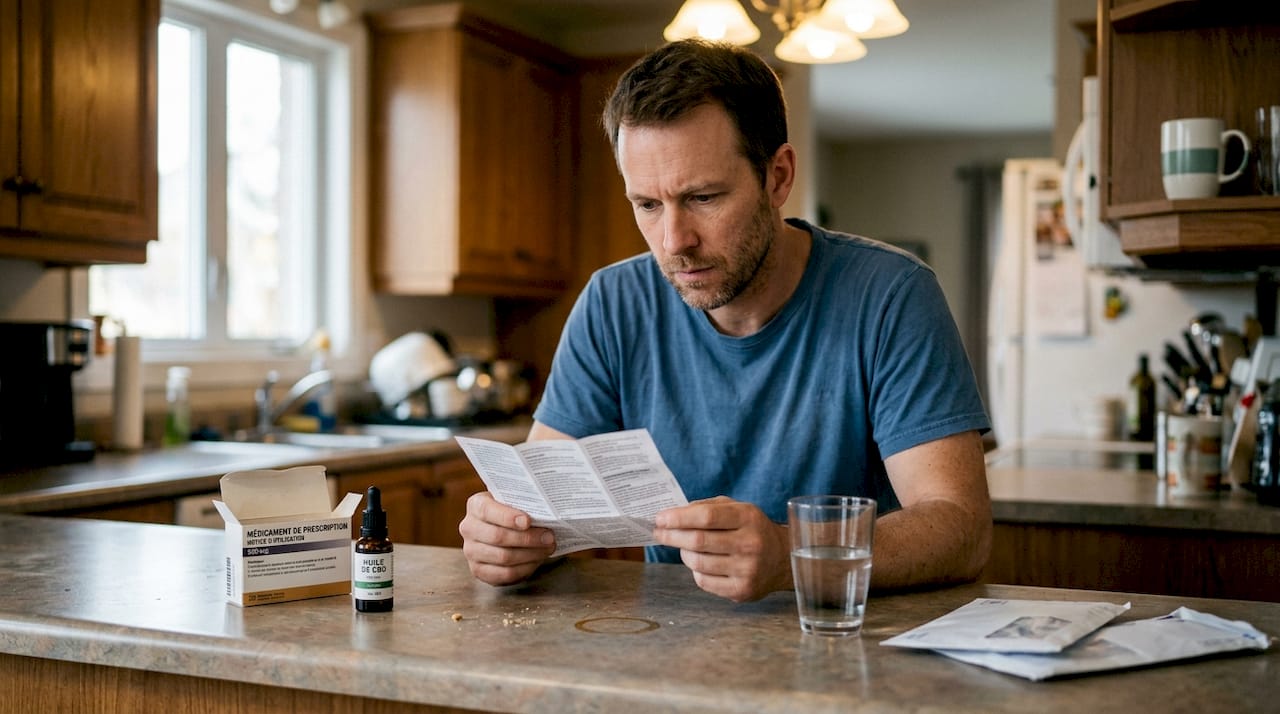
Regarding pain, a modest reduction was measured in studies on neuropathic pain, around 1.5 points out of 10 in some trials such as CANPAIN. This is real, but far from the spectacular effects sometimes claimed. For anxiety, positive effects have been observed, but at very high doses, between 300 and 800 mg per day, far exceeding the amount contained in a standard dietary supplement.
For CBD and insomnia, the results are even more heterogeneous. Some people report falling asleep more easily, while others notice no change. The studies still lack sufficient methodological rigor to draw firm conclusions.
Here are the key points regarding the evidence:
- CBD is not an approved medicine for chronic pain, anxiety, or insomnia.
- Positive testimonials are numerous, but rigorous studies remain insufficient.
- The CBD versus medications comparison shows that 70% of users report being satisfied, but perceived satisfaction does not replace clinical evidence.
- The effective doses in studies are often higher than the doses available over the counter.
Key takeaway: The benefits of CBD for pain, sleep, and anxiety are plausible, but still insufficiently proven to replace an established medical treatment.
Safety, side effects, and usage recommendations
These perceived benefits should be accompanied by a clear understanding of the potential risks. CBD is generally well tolerated, but it is not free from adverse effects or important contraindications.
The European Food Safety Authority (EFSA) has established a provisional safe level of 0.0275 mg per kilogram of body weight per day, or approximately 2 mg per day for a 70 kg adult. This recommendation concerns food supplements containing pure CBD and applies only to healthy adults.
Certain populations should avoid CBD:
- People under 25: the brain is still developing, and the risks are poorly assessed
- Pregnant or breastfeeding women: insufficient safety data
- People taking medication: CBD interacts with CYP450 enzymes, which metabolize many medications
- People with liver disease: documented risk of liver damage
The most frequently reported side effects include dry mouth, fatigue, digestive problems such as diarrhea, and in some cases elevated liver enzymes. These effects are generally dose-dependent and reversible when use is discontinued.
For more information on the safety of CBD for people with chronic diseases, specialized resources are available and should be consulted before any regular use.
Professional advice: Before starting a CBD routine, talk to your doctor or pharmacist, especially if you are already taking medication. A simple interaction check can prevent unnecessary complications. Also consult the benefits and safety of CBD for a balanced overview.
Legality and regulation of cannabidiol in Europe
To choose and use CBD safely, it is important to understand the current legal context, which varies considerably from country to country. In Europe, the legality of cannabidiol is based primarily on one criterion: the THC content of the finished product.
In France and most European Union countries, CBD is legal if the THC content is below 0.3%. Above this threshold, the product falls into the category of regulated narcotics. This threshold applies to the final product sold to consumers, not only to the original plant.
Here is what you need to know about the legal framework:
- Legal status: food supplement or cosmetic, not a medicine (except with a specific prescription)
- Permitted THC level: below 0.3% in France and most EU countries
- CBD-based medicine: only available with a medical prescription (e.g., Epidiolex for epilepsy)
- Non-medical market: lightly regulated, with quality varying by manufacturer
- Controls: authorities may seize non-compliant products
“The absence of harmonized regulation at the European level for non-medical CBD products creates a gray area in which quality and compliance vary considerably from one manufacturer to another.”
This situation has direct consequences for you as a consumer. A mislabeled product may contain more THC than stated, or less CBD than advertised. Consulting an up-to-date CBD legality guide for France is a useful step before any purchase, especially if you are traveling with your products.
Vigilance is therefore essential: prioritize brands that publish their independent laboratory analyses (COA certificates), and check that the products comply with the legislation of the country in which you purchase them.
Our view of cannabidiol in 2026: promises, realities, and vigilance
We have been closely following the CBD market in Europe for several years, and our conviction is clear: cannabidiol deserves interest, but not credulity. The empirical evidence remains weak for pain, insomnia, and anxiety. Positive testimonials are real and numerous, but they do not replace rigorous large-scale studies.
What concerns us more is the tendency to present CBD as a universal solution. The reality is more nuanced. Some people experience a noticeable effect, while others do not. Product quality, dosage, consistency, and each individual’s profile all play a role. For informed therapeutic support, science should guide choices, not marketing.
Our recommendation: stay curious, stay cautious. Consult a healthcare professional, choose traceable products, and never replace prescribed medical treatment with CBD without medical advice.
Finding reliable, regulated CBD products
After taking a step back, here is how to concretely ensure the reliability of the products you purchase. Choosing a good CBD product primarily means choosing a transparent source: available laboratory analyses, compliant THC levels, and traceable hemp origin.
European CBD Shop offers a selection of products that comply with European legal requirements, with deliveries available in the EU, the United Kingdom, and Switzerland. Whether you are looking for an oil to manage stress or CBD sleep infusions for more restful nights, each product is selected for its quality and traceability. Discover the best CBD shops in Europe to compare the available options and make an informed choice, safely.
Frequently asked questions about cannabidiol
What differentiates CBD from THC?
CBD is not psychoactive, unlike THC, and therefore does not cause euphoria or altered consciousness.
Is CBD effective for relieving pain?
Studies show a modest effect on pain, with proven efficacy only for rare forms of epilepsy such as Dravet syndrome.
Who should not use CBD?
CBD is not recommended for people under 25, pregnant women, or people taking certain medications because of possible interactions.
What are the side effects of cannabidiol?
Fatigue, dry mouth, diarrhea, or liver damage have been observed in some people, especially at high doses.