
CBD Extraction: Methods for Safe and Effective Use
TL;DR:
- The CBD extraction method determines its purity, safety, and therapeutic effectiveness.
- Supercritical CO2 extraction is the benchmark for a pure, complete product free of chemical residues.
- Always choose products whose extraction method is clearly indicated and certified by independent analyses.
The purity and safety of your CBD depend almost entirely on one factor that few consumers know about: the extraction method. Whether you are seeking relief from anxiety, chronic pain, or sleepless nights, choosing a product without understanding how it was made is like buying a car without looking under the hood. Yet this technical detail changes everything: cannabinoid profile, presence of residues, bioavailability, and perceived effectiveness. This guide clearly explains the main CBD extraction methods, their practical differences, and how to make the right choice for your needs.
Table of contents
- Why CBD extraction is crucial for your well-being
- Overview of the main CBD extraction methods
- Comparison: advantages and limitations of CBD extraction methods
- Which method should you choose based on your needs (anxiety, pain, insomnia)?
- The expert’s view: what few people tell you about CBD extraction
- Discover where to find CBD extracted with confidence
- Frequently asked questions about CBD extraction
Key Points
| Point | Details |
|---|---|
| Method = quality | The extraction technique determines the quality and safety of your CBD. |
| CO2, the safe choice | CO2 extraction ensures the highest purity suited to therapeutic needs. |
| Solvents to avoid | Hydrocarbon solvents are risky for health use, so it is better to avoid them. |
| Objective: transparency | Choose manufacturers that disclose their method and offer accessible analyses. |
Why CBD extraction is crucial for your well-being
Before discussing methods, it is important to understand what CBD is and why its manufacturing method directly influences its effects. CBD, or cannabidiol, is a molecule extracted from the hemp plant. But between the raw plant and the oil in your bottle, there is an entire industrial process that can either preserve or degrade its properties.
The reality is simple: CBD purity depends heavily on the extraction process. A poor method can leave traces of chemical solvents in the final product, alter terpenes (the aromatic compounds that enhance the effects), or reduce the concentration of active cannabinoids. For people who use CBD in the context of safety for chronic illness patients, these details are not trivial.
Here is what extraction concretely affects:
- Purity of the final product: some methods leave potentially toxic solvent residues
- Cannabinoid profile: gentle methods better preserve all the active molecules
- Terpenes and flavonoids: these fragile compounds are often destroyed by harsh processes
- Long-term safety: poorly controlled extraction can create products unsuitable for regular consumption
- Therapeutic effectiveness: CBD uses for anxiety and pain depend on a complete, properly preserved product
Quality extraction is not a marketing luxury. It is the foundation of a product that truly does what it promises. And for consumers who use CBD daily, it is also a health issue.
Professional tip: When reading a CBD label, look for the extraction method. If it is not listed, that is often a bad sign. Reputable manufacturers have nothing to hide about this.
After understanding the importance of extraction processes, it is essential to know the main methods.
Overview of the main CBD extraction methods
There are several ways to extract CBD from hemp. The main methods include supercritical CO2, ethanol, hydrocarbon solvents, food-grade oil, and mechanical methods. Each has its own characteristics, advantages, and limitations.
| Method | Principle | Purity | Cost | Ecology |
|---|---|---|---|---|
| Supercritical CO2 | CO2 under controlled pressure and temperature | Very high | High | Good |
| Ethanol | Natural food-grade solvent | High | Average | Fair |
| Hydrocarbons | Butane, propane as solvents | Variable | Low | Poor |
| Food-grade oil | Infusion in vegetable oil (olive, hemp) | Moderate | Very low | Excellent |
| Mechanical (rosin) | Pressure and heat without solvents | Good | Average | Excellent |
Supercritical CO2 extraction is the reference method. It uses carbon dioxide in a supercritical state (between liquid and gas) to isolate cannabinoids with remarkable precision. No chemical residue, preserved therapeutic efficacy of CBD, and a very complete molecular profile.
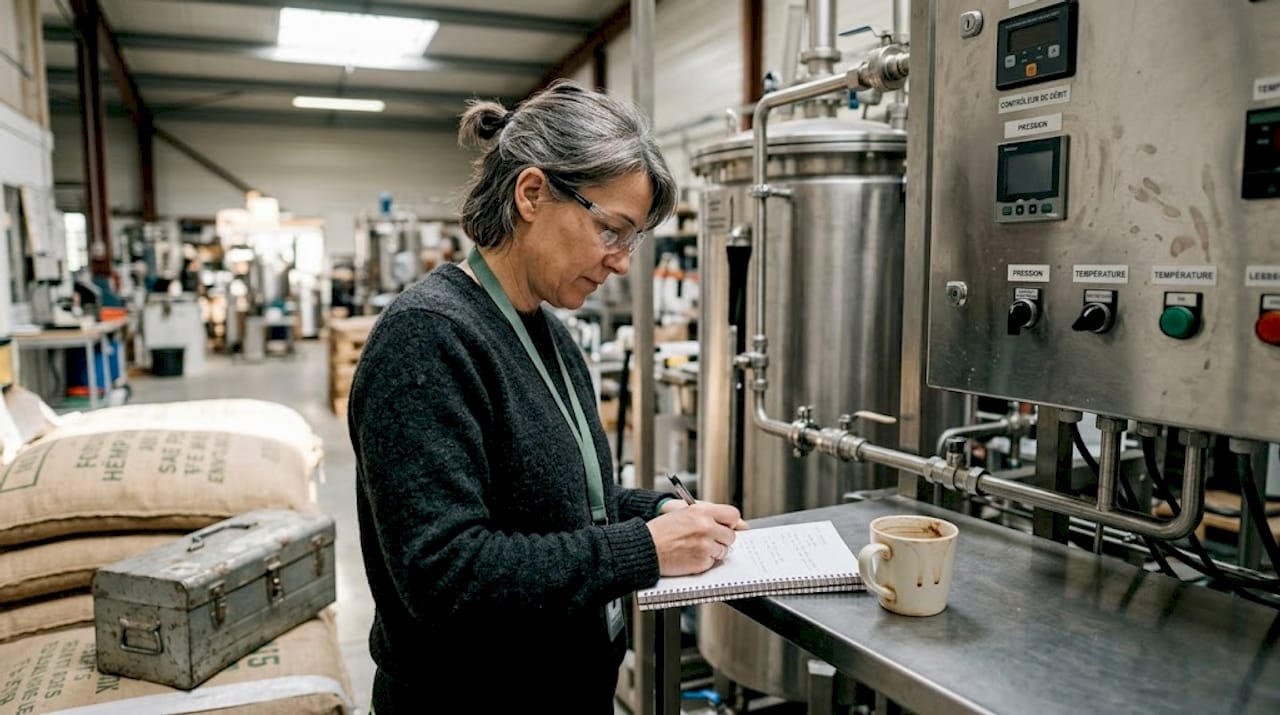
Ethanol extraction is more accessible. Food-grade alcohol dissolves cannabinoids effectively, but it can also extract chlorophylls and other undesirable compounds if the process is not properly controlled. Additional purification is often necessary.
Hydrocarbon solvents (butane, propane) offer high yields but involve serious risks: possible toxic residues, flammability, and a negative environmental impact. These methods should be avoided for regular therapeutic use.
Food-grade oil is the simplest and safest method. The plant is heated in a vegetable oil to release the cannabinoids. No residue, no danger, but the resulting concentration is low and the product has a shorter shelf life.
Mechanical methods such as rosin (pressure and heat) produce a solvent-free extract appreciated for its natural purity. The yield remains limited, but the quality is there.
Professional advice: For regular therapeutic use, always choose products extracted using supercritical CO2 or food-grade ethanol. These two methods offer the best balance of quality and safety.
Let’s examine each extraction method in detail to better understand their key differences.
Comparison: advantages and limitations of CBD extraction methods
To give this overview its full meaning, let’s compare the methods according to their strengths and weaknesses using concrete criteria.
| Method | Yield | Purity | Safety | Cost | Environmental impact |
|---|---|---|---|---|---|
| Supercritical CO2 | 15 to 20% | 95 to 99% | Excellent | High | Low |
| Ethanol | 12 to 18% | 80 to 90% | Good | Average | Moderate |
| Hydrocarbons | 18 to 25% | Variable | Risky | Low | High |
| Food-grade oil | 5 to 10% | Moderate | Perfect | Very low | None |
| Mechanical (rosin) | 10 to 15% | Good | Perfect | Average | None |
The data speaks for itself: CO2: yield 15 to 20%, purity 95 to 99%; ethanol: 12 to 18%; hydrocarbons: 18 to 25%, but risky. The high yield of hydrocarbons does not offset their risks.
Here are the critical points to remember:
- Hydrocarbon solvents can leave butane or propane residues, which are harmful in the long term
- CO2 extraction better preserves terpenes, which strengthens the entourage effect (synergy of the molecules)
- Ethanol can extract unwanted green pigments if the temperature is not controlled
- Solvent-free methods are ideal for people sensitive to chemical residues
The effects and safety of cannabinoids also vary according to the richness of the molecular profile preserved during extraction. A product depleted of terpenes will be less effective, even at the same CBD concentration.
“The extraction method is not just a technical detail: it is the factor that determines whether the CBD benefits you are seeking will actually be present in your bottle.”
Good news: eco-friendly innovations in extraction are progressing rapidly. Processes such as natural deep eutectic solvents or ultrasound-assisted extraction (UAE) are emerging as sustainable alternatives, with less environmental impact and good preservation of active compounds.
Which method should you choose based on your needs (anxiety, pain, insomnia)?
After comparing the methods, let’s see how to choose based on your personal needs. Not all CBD products are equal, and the extraction method should guide your purchase just as much as the concentration.
-
For anxiety: Favor CBD extracted using supercritical CO2, either full-spectrum or broad-spectrum. Terpenes such as linalool and myrcene, preserved by this method, enhance the calming effect. Learn how to use CBD effectively to maximize these benefits.
-
For chronic pain: The entourage effect is particularly important here. A full-spectrum CO2 extract, rich in minor cannabinoids such as CBG and CBN, offers more comprehensive action than a pure isolate. Check that the product was not obtained using hydrocarbons.
-
For insomnia: The most effective CBD solutions for insomnia use extracts rich in sedative terpenes. CO2 or food-grade ethanol extraction are the best options. Avoid inexpensive products that do not mention the method.
-
For risk-free daily use: If you are looking for non-addictive CBD for regular use, the extraction method also affects long-term safety. Food-grade oil is the gentlest option, but CO2 remains the reference standard.
-
For tight budgets: Food-grade ethanol extraction offers a good compromise. It is less expensive than CO2, but significantly safer than hydrocarbons.
Professional advice: Supercritical CO2 = the gold standard; solvents should be avoided for any therapeutic use. If a product does not mention its extraction method, ask for laboratory analyses before buying.
The expert’s view: what few people tell you about CBD extraction
The reality of the European CBD market is more nuanced than marketing claims suggest. Supercritical CO2 extraction is often presented as the absolute standard, and technically it is. But it is also costly, and not all small producers can afford it. As a result, some display “CO2 extraction” on their labels without actually using a genuine optimized sCO2 process.
Real quality control does not rely on a mention on the label. It relies on complete product traceability: hemp origin, independent certificates of analysis (COAs), and transparency about actual concentrations. CBD from a well-documented CBD infusion and bioavailability may be better than an opaque CO2 extract.
As a consumer, your best protection is simple: demand analyses, read labels, and buy from shops that are fully transparent.
Discover where to find CBD extracted with confidence
Choosing the right extraction method is good. Finding products that genuinely meet these standards is even better. European CBD Shop rigorously selects its products according to strict quality criteria: certified extraction method, available laboratory analyses, and complete traceability from the plant to the bottle.
Explore a selection of the best CBD shops in Europe to access verified products, with delivery available in the EU, the United Kingdom, and Switzerland. Before ordering, consult the delivery and returns information to learn about delivery times and conditions. Your well-being deserves products that are as transparent as you are in your choices.
Frequently asked questions about CBD extraction
What is the purest CBD extraction method?
Supercritical CO2 extraction delivers the highest purity rate, between 95 and 99% purity, with no solvent residue. It is the recommended method for any serious therapeutic use.
Is solvent extraction dangerous?
Yes, hydrocarbon solvents: the risks of toxic residues are real and documented. For regular or therapeutic use, these methods should be avoided entirely.
Does extraction affect the effects of CBD?
Yes, the extraction method changes the therapeutic profile of the final product, particularly its richness in terpenes and minor cannabinoids, which amplify the perceived effectiveness.
Are there environmentally friendly CBD extraction methods?
Yes, sCO2 extraction remains the cleanest among established methods, and green trends on ScienceDirect show that deep eutectic solvents and ultrasound-assisted extraction are emerging as promising sustainable alternatives.
How can you recognize safely extracted CBD?
Check that the extraction method is clearly stated, request certificates of analysis (COAs) from an independent laboratory, and prioritize certified shops that are fully transparent about their products.