
Benefits of medical hemp for natural relief
TL;DR:
- More and more Europeans are turning to medical hemp to relieve pain and disorders, but science confirms modest and conditional benefits. Its effectiveness relies mainly on the endocannabinoid system, with clinical results often falling short of laboratory promises. Caution remains essential, particularly for vulnerable populations, given constantly evolving regulations and the variability of available products.
More and more Europeans are turning to natural solutions to manage chronic pain, sleepless nights, and persistent anxiety. Medical hemp raises considerable hopes, but the scientific reality is far more nuanced than the promises found online. This article offers an honest, evidence-based analysis: what research truly confirms, what remains uncertain, and how to navigate the potential benefits and essential precautions.
Table of contents
- What accounts for the effectiveness of medical hemp?
- Chronic pain relief: real promise and limitations
- Sleep disorders and anxiety: potential that needs to be put into perspective
- Precautions, side effects, and European regulations
- Why the benefits of medical hemp need to be put into perspective
- Where can you find certified CBD products for informed use?
- Frequently Asked Questions About Medical Hemp
Key Points
| Point | Details |
|---|---|
| Partial relief confirmed | Medical hemp has demonstrated a modest effect, especially for neuropathic pain following medical evaluation. |
| Potential for anxiety and sleep | The benefits for anxiety and sleep remain promising but scientifically inconsistent. |
| Caution with self-use | Side effects and risks exist, especially without medical supervision or among young people. |
| Strict regulation | Only prescribed medical hemp can officially claim therapeutic benefits in Europe. |
What accounts for the effectiveness of medical hemp?
After establishing the context, it is essential to understand how medical hemp can act in the body. The effectiveness of medical hemp relies mainly on the endocannabinoid system, a network of receptors found throughout the human body. This system plays a central role in regulating pain, mood, sleep, and inflammatory responses.
The two main receptors involved are the CB1 receptors (mainly in the brain and central nervous system) and the CB2 receptors (in the immune system and peripheral tissues). CBD, or cannabidiol, also acts on TRPV1 receptors, which are involved in the perception of temperature and pain. This diversity of actions explains why medical hemp is being studied for such a wide range of indications.
However, theoretical mechanisms must be distinguished from benefits actually proven in clinical practice. In the laboratory, cannabinoids show impressive anti-inflammatory, analgesic, and anxiolytic properties. In real-world clinical trials, the results are often more modest. As cannabinoid research points out, plausible mechanisms exist for modulating pain and mental disorders, but they do not systematically guarantee clinical efficacy.
Here is what we know about the main cannabinoids and their potential effects:
- CBD (cannabidiol): non-psychoactive, studied for anxiety, chronic pain, and sleep disorders
- THC (tetrahydrocannabinol): psychoactive, effective for some neuropathic pain, but subject to regulatory controls
- CBN (cannabinol): sedative potential, still poorly studied in rigorous trials
- Terpenes: aromatic compounds that could modulate the effects of cannabinoids through the “entourage effect”
Key takeaway: The clinical benefits of CBD hemp cannot be reduced to a single compound. The interaction between CBD, other cannabinoids, and terpenes creates a synergy whose true scope science is only beginning to measure.
Chronic pain relief: real promise and limitations
After examining the mechanisms, let’s look at what the science reveals about the first major indication: managing chronic pain. This indication is undoubtedly the best documented, and the results deserve to be read without bias.
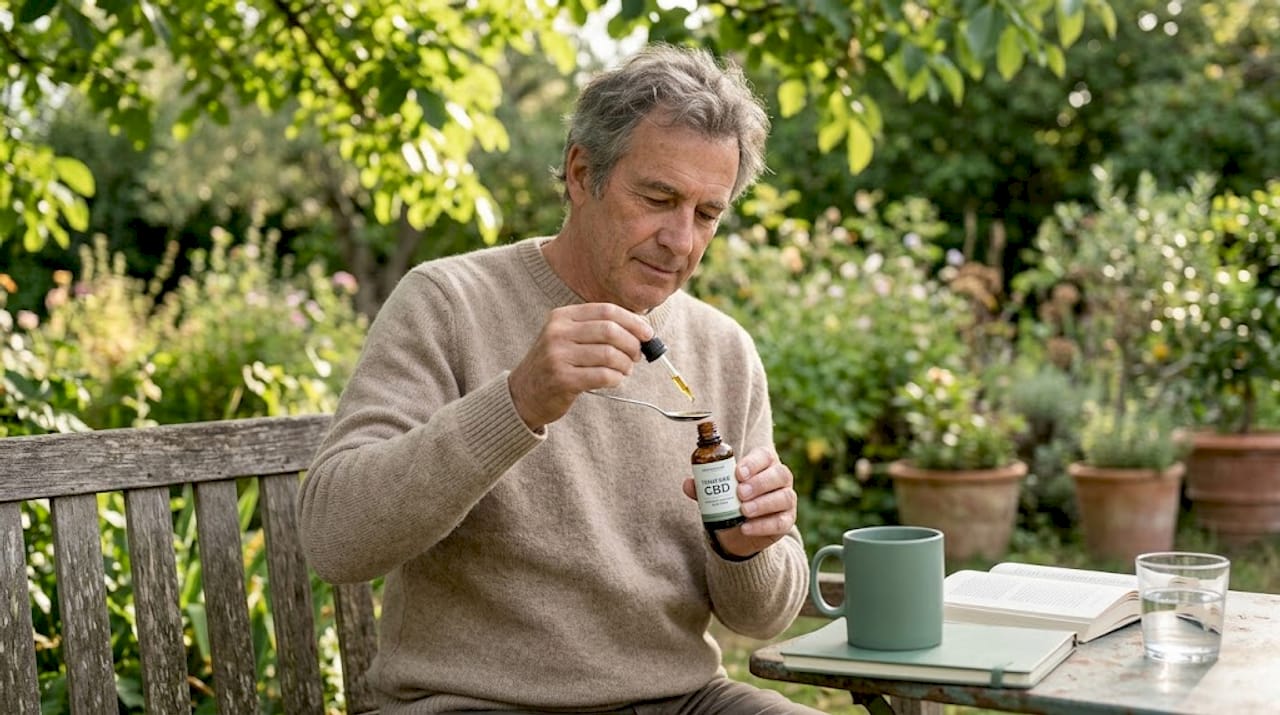
Studies show that cannabis-based medicines provide relief, but it remains modest and inconsistent. The Cochrane review on this topic indicates that cannabis-based medicines increase the proportion of people achieving a pain reduction of 50% or more compared with placebo, but also cause more adverse effects.
Here are the key points to remember:
| Indicator | Cannabinoids | Placebo |
|---|---|---|
| ≥50% pain reduction | 21% of patients | 17% of patients |
| Discontinuation due to side effects | More frequent | Less frequent |
| Effectiveness for neuropathic pain | Moderate | Reference |
| Effectiveness for other pain | Uncertain | Reference |
This table illustrates an important reality: the benefit exists, but it is marginal in statistical terms. For someone suffering from chronic pain, even a modest reduction can represent a significant gain in quality of life. But this does not mean that medical cannabis will work for everyone.
The best-documented types of pain relieved by CBD include:
- Neuropathic pain (nerve-related, often burning or electric)
- Pain associated with multiple sclerosis
- Cancer pain refractory to conventional treatments
For musculoskeletal, arthritic, or migraine pain, the evidence is much less robust. Studies are often short-term, with small sample sizes and highly variable protocols.
Pro tip: If you are considering medical cannabis for pain, first discuss the exact type of pain you have with a doctor. Neuropathic pain and inflammatory pain do not respond to the same treatments, and this also applies to cannabinoids.
Sleep disorders and anxiety: potential that needs to be put into perspective
Beyond pain, many people hope medical cannabis will have effects on sleep and stress. Let’s explore the clinical reality of these two very common indications among European consumers.
The available evidence is promising, but the heterogeneity of the results is striking. A recent scoping review concludes that CBD has potential to improve symptoms of anxiety and sleep, but that results vary greatly from one study to another. The reasons include the types of cannabinoids used, the very different dosages across studies, and the populations studied.
Here is a comparison of the available evidence for these two indications:
| Indication | Level of evidence | Consistency of results | Notes |
|---|---|---|---|
| Anxiety | Moderate | Variable | Clearer effects for situational anxiety |
| Insomnia | Low to moderate | Highly variable | Few long-term trials |
| Chronic stress | Very low | Inconsistent | Based mainly on self-reporting |
| Nightmares (PTSD) | Moderate | More consistent | A few positive controlled trials |
To better understand why results vary so much, here are the main factors that influence effectiveness:
- The type of cannabinoid: CBD alone, full-spectrum CBD, or an isolate produce different effects on the nervous system
- Dosage: doses that are too low often have no measurable effect, while doses that are too high may paradoxically increase anxiety
- The route of administration: sublingual oil, capsules, and vaporization do not offer the same bioavailability or speed of action
- The user's baseline condition: someone suffering from severe anxiety will not respond in the same way as someone with mild stress
To learn more about the role of CBD in reducing anxiety, some studies point to an effect on 5-HT1A serotonin receptors. Clinical evidence for anxiety suggests notable effects in specific contexts, although the robustness of these data remains to be confirmed.
When it comes to sleep, comparing CBD with conventional sleeping pills is informative. Unlike benzodiazepines, CBD is not known to cause dependence, but its effectiveness in reducing sleep onset latency is less immediate. A CBD versus sleeping pills comparison shows that CBD is often better tolerated in the long term, even though its effects are gentler.
Pro tip: For sleep, consistency matters more than dosage. Taking CBD occasionally the night before a difficult night will produce much less reliable results than using it daily for several weeks.
Precautions, side effects, and European regulations
For every potential benefit, there are also regulatory limitations and precautions to be aware of. Consumers who discover medical hemp through the internet or social media often underestimate this aspect.
Regarding adverse effects, risks vary depending on the user’s profile. CBD products sold freely cannot claim therapeutic benefits without authorization, and there are cognitive and psychological risks, especially among young people. Caution is all the more important because formulations vary greatly from one manufacturer to another.
Important: The data on vulnerable populations are clear. Adverse effects in young people include increased risks of anxiety, psychotic disorders, and problematic use. The use of medical cannabis by adolescents and young adults should always be discussed with a medical professional.
The following groups are advised to exercise particular caution:
- Minors and young adults: documented cognitive and psychiatric risks
- People with a history of psychiatric disorders: risk of worsening anxiety or psychotic symptoms
- Pregnant or breastfeeding women: insufficient data to guarantee safety
- People taking anticoagulant or antidepressant medication: possible drug interactions with CBD
From a regulatory perspective, two distinct realities must be clearly differentiated. Medical cannabis (prescribed by a doctor in certain European countries such as Germany, the Netherlands, or France as part of an experiment) is regulated and controlled, with concentrations precisely defined. Over-the-counter CBD products (oils, capsules, flowers) fall under a different legal framework, with no authorized therapeutic claims.
To understand the nuances of CBD legality in France, it is important to know that regulations change regularly. What is legal today may be subject to new restrictions tomorrow, and what is permitted in Germany is not necessarily permitted in France or Switzerland.
Why the benefits of medical hemp need to be put into perspective
After surveying the evidence and its limitations, it is crucial to address the interpretation of the benefits with perspective. Our position at European CBD Shop is clear: we believe in the potential of medical hemp, but we refuse to claim that it is a miracle cure.
One of the most uncomfortable realities in this field is the weight of the placebo effect. In many studies on pain and anxiety, the placebo group achieves results that are almost as good as those of the treatment group. This does not mean that hemp does not work, but it does mean that positive testimonials, however sincere, prove very little without a controlled protocol.
True effectiveness depends on three factors that are often overlooked: the specific indication (neuropathic pain versus generalized anxiety versus mild insomnia), the form of use (oil, flower, capsule), and above all, medical supervision. A patient who uses CBD with regular follow-up will achieve far more reliable results than someone self-medicating and testing doses at random.
The pressure created by online testimonials is real. Thousands of people share transformative experiences. These accounts may be genuine, but they are rarely representative. They highlight successes and overlook failures. A critical reading of the studies is essential to avoid falling into the trap of disillusionment after months of waiting.
Finally, we must acknowledge the gap between brands’ promises and scientific reality. Studies on CBD and mental health are encouraging but not yet conclusive. The autonomy afforded by free access to CBD products is an opportunity, but it must be accompanied by realism and a prior medical consultation, especially for chronic or complex conditions.
Where can you find certified CBD products for informed use?
To move from theory to practice, it is useful to know where to turn if you want to test CBD products with confidence.
The quality of CBD products on the European market varies greatly. Some products contain far less CBD than stated on the label, while others contain pesticide residues or heavy metals. Choosing a certified shop that provides third-party laboratory analyses and clear traceability is not a luxury—it is essential for safe consumption. At CBD Certified, we rigorously select our products according to these criteria. Whether you are in France, Belgium, the Netherlands, or Switzerland, you can explore the best CBD shops in Europe or, if you are in the Netherlands, browse our selection of CBD shops in Eindhoven to find reliable options near you.
Frequently Asked Questions About Medical Hemp
Is medical hemp more effective than over-the-counter CBD?
Medical hemp may have different effects because it is more tightly controlled and available by prescription, whereas over-the-counter CBD lacks robust clinical evidence. Non-medical products cannot claim therapeutic benefits without authorization, which clearly distinguishes the two categories.
What side effects should be monitored?
The main risks include anxiety, cognitive disorders, and prematurely stopping treatment because of side effects, especially among vulnerable people. Documented adverse effects also include an increased risk of psychotic disorders in young people.
Can medical hemp be used for all types of pain?
Its effectiveness is primarily demonstrated for neuropathic pain, while results for other types of pain remain uncertain. Data on neuropathic pain remain among the strongest available to date.
What role does CBD play in anxiety and sleep disorders?
Studies suggest that CBD may have potential for anxiety and sleep, but the evidence varies widely from one study to another. Clinical results for anxiety and sleep depend heavily on dosage, product type, and the user’s profile.